
Getting a new boiler is not something most homeowners deal with regularly, which is why the process can often feel unclear. Whether your current system is ageing, unreliable, or no longer efficient, understanding each step involved makes the decision easier and helps you avoid unexpected issues. A clear step-by-step approach ensures your new boiler is suited to your home, installed correctly, and ready to deliver reliable heating for years ahead.
Step-by-Step Process For Installing A New Boiler
Step 1: Identifying The Need For A New Boiler
The first step is recognising when a boiler replacement may be necessary. Common triggers include frequent breakdowns, rising energy bills, inconsistent heating, or a boiler that is more than ten to fifteen years old. Older systems often struggle to meet modern efficiency standards and may no longer suit household demand.
At this stage, a professional inspection helps confirm whether repair is still cost-effective or if replacement is the better long-term option. This avoids investing money into a system that is already nearing the end of its lifespan.
Step 2: Booking A Professional Boiler Assessment
Once replacement is likely, the next step is a detailed assessment of your current heating system. This includes checking pipework, radiators, controls, water pressure, and overall system condition. Hot water usage and the number of bathrooms are also reviewed.
This assessment is critical because it ensures the new boiler is matched to your property. Skipping this step often leads to boilers being incorrectly sized, which can result in poor performance or unnecessary energy use.
Step 3: Selecting The Right Boiler Type And Size
Choosing the correct boiler is one of the most important steps in the process. The size of the property, insulation levels, and daily heating habits all influence which boiler will perform best. A boiler that is too small may struggle to keep up with demand, while an oversized unit can waste energy.
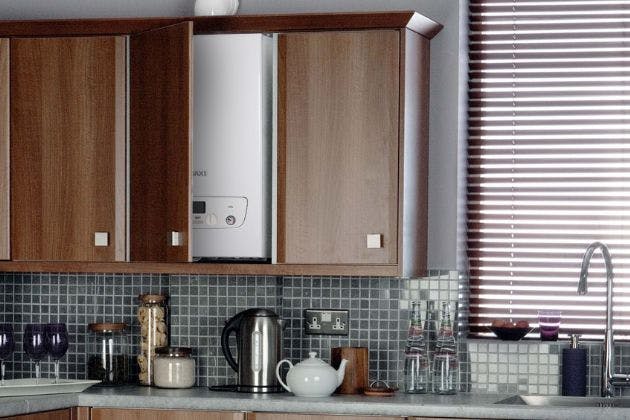
The type of boiler is also considered at this stage. Some homes benefit from compact combi boilers, while others require system or regular boilers to meet higher hot water needs. Professional guidance ensures the choice supports both comfort and efficiency.
Step 4: Planning The Installation
Once the boiler is chosen, installation planning begins. This step covers scheduling, expected installation duration, and preparation requirements. Homeowners are informed about any temporary disruption to heating or water during the work.
Additional system improvements may also be planned at this stage, such as upgraded controls, magnetic filters, or system flushing. These additions help protect the new boiler and improve overall system performance.
Step 5: Removing The Old Boiler And Installing The New System
On installation day, the old boiler is safely disconnected and removed. The new boiler is then installed, including flue fitting, pipe connections, safety devices, and control integration. All work is carried out to current safety and building regulations. Once installed, the system is filled, pressurised, and thoroughly checked. This step ensures everything operates correctly before the boiler is commissioned.
Step 6: Commissioning And System Testing
Commissioning confirms that the boiler runs efficiently and safely. This includes checking gas pressure, heating response, hot water delivery, and system balance. Any final adjustments are made to ensure consistent performance throughout the property. Homeowners are shown how to use the controls correctly, including thermostats and timers. Understanding these settings helps reduce energy waste and improve comfort.
Step 7: Handover, Certification, And Warranty Setup
After testing, all required documentation is provided. This includes installation certificates, warranty registration, and guidance on servicing requirements. These documents are essential for compliance, future maintenance, and property records. Clear handover ensures you know how to look after your new boiler from day one and what steps to take if any issues arise.
Step 8: Maintaining Your New Boiler Long Term
The final step is ongoing care. Annual servicing keeps the boiler running efficiently, identifies early signs of wear, and maintains warranty validity. Simple homeowner checks, such as monitoring pressure and responding to unusual noises, also support long-term reliability. Planning maintenance early protects your investment and helps prevent avoidable breakdowns.
New Boiler Installations In Portsmouth And Hampshire
Looking for a clear and reliable way to get a new boiler installed? GEO M&E Ltd provides professional assessments, tailored boiler installations, and long-term aftercare to ensure your heating system performs as it should. Call us on 0239 238 8799 or fill out our contact form to book your consultation today.